 COURSE PREVIEW
About this course
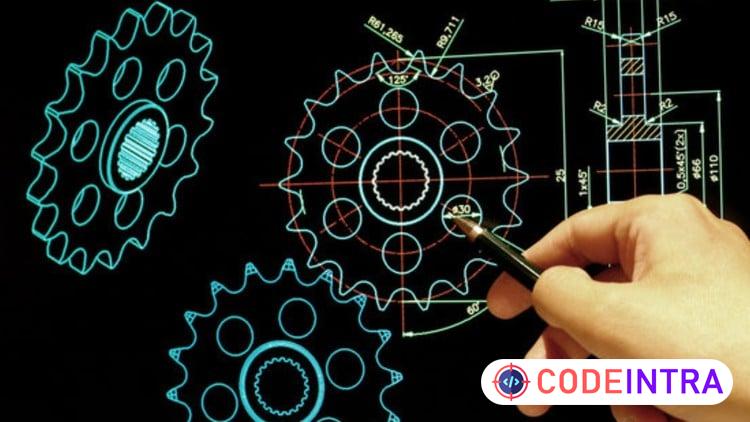
Unlock the power of physics to revolutionize your engineering designs. In "Applied Physics for Engineering Design I: Mechanics, Vibrations, and Material Science," you'll explore the foundational principles that shape modern engineering systems and applications.
This course starts with the fundamentals of mechanics, including Newtonian and Lagrangian approaches, energy conservation laws, and rotational dynamics. From there, you’ll dive into the critical field of mechanical vibrations, exploring topics like natural frequency, damping, resonance, and vibration. The final section explores the mechanics of materials, covering stress, strain, deflection, and failure analysis, with a focus on selecting and applying materials in engineering projects.
Throughout the course, you’ll bridge the gap between theoretical physics and real world engineering, using practical examples, case studies, and design challenges to reinforce key concepts. Learn how to understand load distribution, mitigate vibrations, and ensure the reliability and safety of structural components through informed material choices and advanced analysis techniques.
By the end of this course, you’ll have a better understanding of how mechanics, vibrations, and material science intersect to create smarter, safer, and more efficient designs. Whether you're a student, a professional engineer, or someone passionate about the physics of design, this course will give you the tools and confidence to take your skills to the next level.
What you'll learn
- Develop a strong grasp of Newtonian mechanics, energy conservation, and Lagrangian formulations, and their applications in engineering problem-solving.
- Gain the ability to model free, forced, and damped vibrations and apply vibration control techniques to ensure stability and efficiency in engineering designs.
- Learn to assess stress, strain, and deformation in materials, enabling informed decisions on material selection and failure prevention for engineering
- Integrate concepts from mechanics, vibrations, and materials science to analyze and optimize real-world engineering systems and products.
Before you begin
- B.S or graduate students, Mechanical engineering, Manufacturing Engineering, Aerospace Engineering, Electronics Engineering, Physics, Technicians with industry experience.
Who this is for
- Engineers, senior or grad students. Entrepreneurs and Innovators, designers, manufacturing professionals (with our without a college degree). Overall, Professionals Seeking Career Growth
How do you feel about this course?
Share your reaction. Select one emoji to leave or update your rating.
Please wait 30 seconds to explore this course.
This course opens on an external website.
Join the conversation
Share a thought or question. No account required.
Be the first to share your thoughts.